The tentative agreement to suspend the debt ceiling could have negative consequences for the Women Infants and Children program, an advocacy group says.
President Joe Biden and House Speaker Kevin McCarthy reached a tentative agreement to suspend the debt ceiling until the first quarter of 2025, preventing the U.S. from defaulting on its debts.
However, the agreement includes a two-year budget deal that would hold spending flat for the fiscal year 2024 and impose a limit on additional spending for the fiscal year 2025, according to a news release from the National WIC Association.
That limit could dramatically affect the Special Supplemental Nutrition Program for Women, Infants and Children (WIC), as flat funding falls $615 million short of what the USDA estimates is needed to meet the program’s expanding caseload in the fiscal year 2024, the release said.
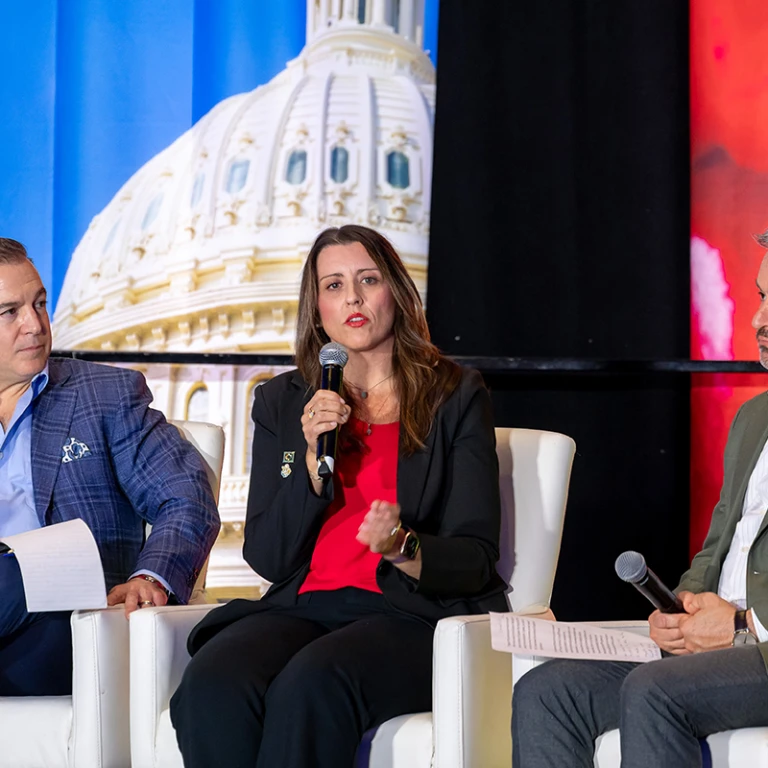
“The agreement to suspend the debt ceiling is a significant and necessary development, but it ties the hands of appropriators who recognize the growing needs of federal programs like WIC,” Jamila Taylor, president and CEO of the National WIC Association, said in the release. “The drastic gap in WIC funding is worrisome, particularly when families are facing high food costs and already struggling to put healthy foods on the table. Simply put, legislators should safeguard the health of American families, not take food out of children’s mouths.”
Taylor also criticized the tentative agreement’s potential impact on the Supplemental Nutrition Assistance Program.
“Congress should not be exacerbating hunger in this country, and new bureaucratic requirements on certain adults to obtain SNAP support are similarly misguided and harmful to some of the most vulnerable individuals among us,” Taylor said in the release. “If a topline agreement is advanced through Congress this week, legislators must ensure that the Agriculture/FDA Subcommittee receives an adequate allocation that prioritizes and invests in the nutrition support needed to assure the health and well-being of the next generation.
“We call on the leaders of both parties to address the funding shortfall and advocate for the needs of families across the country,” Taylor continued. “Together, we can work toward a future where no family goes hungry and where every child has access to the nutritional support they need to grow and thrive.”