Frontline essential workers — including food and agricultural workers — should be a high priority population to receive the COVID-19 vaccine, according to a panel advising the Centers for Disease Control and Prevention.
On Dec. 20, the same day Congress and the White House compromised on the third COVID-19 relief bill, the CDC advisory panel voted to recommend that these essential workers be included in Phase 1b of the vaccination plan. People 75 and older are also included.
Phase 1a is for healthcare workers and longterm care facility workers and residents.
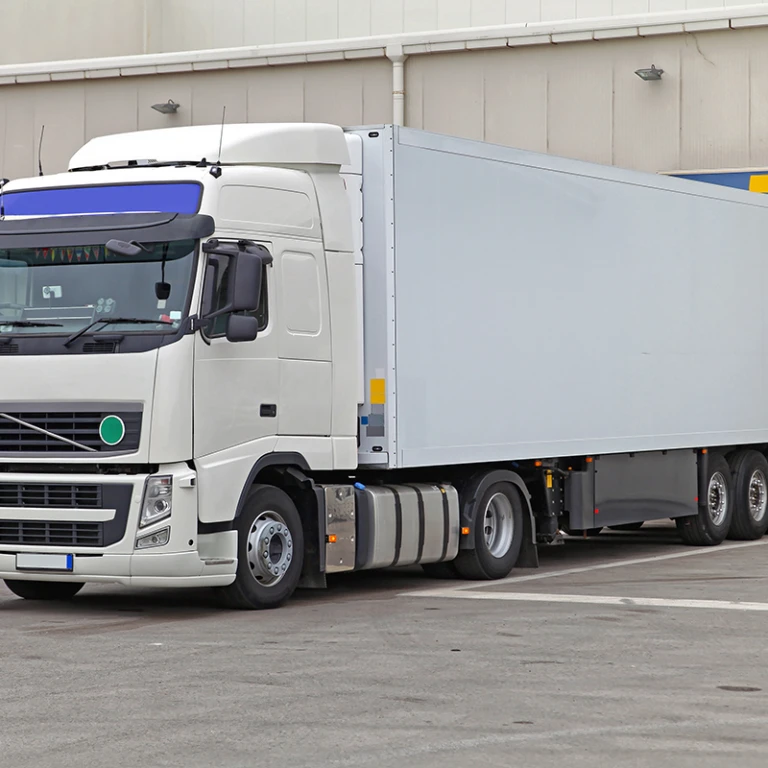
“We had been working with them for months trying to raise awareness that really the nation’s food security depends upon our frontline folks — from farmworkers, those working in a processing plant, grocery store workers, truckers who distribute our food — everybody in that food supply chain on the front line, not those of us who sit back in an office,” said Tom Stenzel, CEO of the United Fresh Produce Association. “We can go later. But for our workers who are out front serving Americans every day, we thought that was critical. We’re very pleased the CDC agreed.”
It’s still up to state and local governments to make the rules, but United Fresh is working with state health officials, mayors and communities to spread awareness about the vaccine, who qualifies and how to get it.
“We’re trying to reach out to all of them. The CDC recommendation will be very strong and a big help,” Stenzel said.
On Nov. 11, United Fresh and other organizations urged both President Donald Trump and President-elect Joe Biden to provide priority access to COVID-19 vaccines as they become available. A letter to the CDC emphasized the critical role these workers have in getting food and nutrition to the American public and their vulnerability while doing so.
These qualifying food and agriculture roles require onsite labor, with no ability to do the job remotely. It’s hands-on work in food production, storage and distribution, among other jobs.