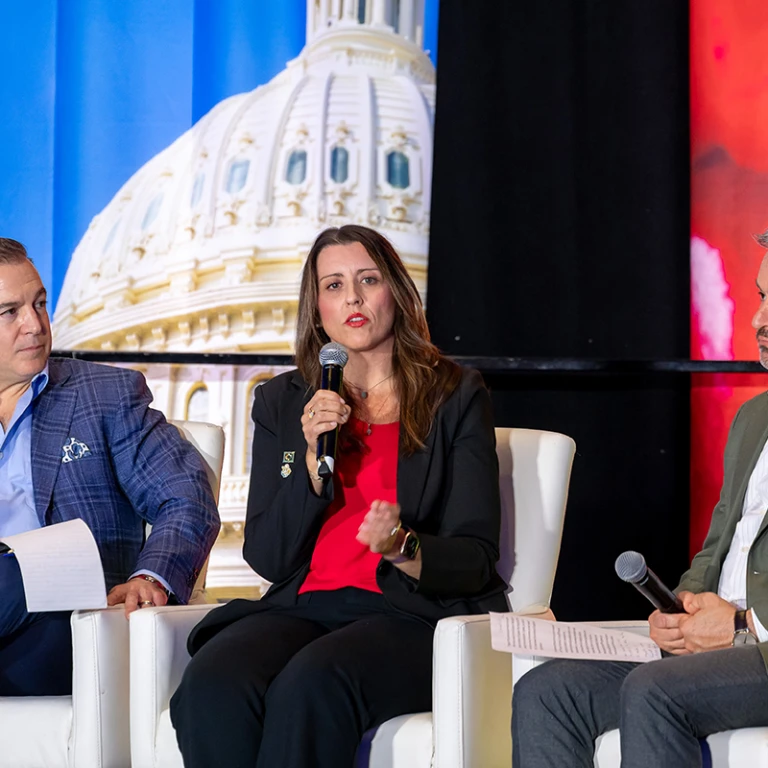
Seeking to stop higher 2019 wage rates for the H-2A guest worker program, the National Council of Agricultural Employers has filed a court action against the Department of Labor.
The Washington, D.C.-based NCAE said in a news release that it asked the federal district court for the District of Columbia to enjoin the U.S. Department of Labor from implementing new Adverse Effective Wage Rates for 2019.
The Department of Labor recently published the 2019 adverse effective wage rates, which dictate minimum wage rates for the H-2A program.
The 2019 adverse effect wage rate for California is $13.92 per hour, up 5.6% compared with $13.18 per hour last year. For Washington state, the 2019 adverse effect wage rate is $15.03 per hour, up 6.4% from $14.12 per hour in 2018. The 2019 wage rage for Colorado was $13.13 per hour, up 22.8% from just $10.69 per hour in 2018.
The overall national average adverse effect wage rate for 2019 is $12.96 per hour, up 6.2% compared with $12.20 per hour a year ago.
In the filing, the NCAE states that the group “bring this action seeking emergency relief from the Department of Labor’s plan to impose arbitrary and unsubstantiated cost increases on American farms and ranches. The Department’s actions are contrary to the directions and intentions of Congress and must be enjoined as soon as possible to avoid disastrous and irreparable outcomes.”
Michael Marsh, president and CEO of the NCAE, said in the release that the adverse effect wage rate is designed so that domestic U. S. workers will not be adversely affected by the employment of temporary agricultural workers under the H-2A visa program.
“Yet DOL has not offered any data to demonstrate adverse effect and instead has simply imposed additional costs on family farmers and ranchers who have no means to recoup these costs from the marketplace putting their families’ futures in jeopardy,” Marsh said in the release.
Late last year, NCAE had written a letter to the Secretaries of Agriculture and Labor asking that they intervene in not implementing the 2019 adverse effect wage rate, which the group called “unsustainable.”
The release said NCAE has been working with Congress to direct the Department of Labor and Department of Agriculture to conduct an analysis of whether any adverse effect exists and share that analysis prior to a determination on program criteria.
Marsh said in the release that users of the guest worker program must have wage relief.
“A requirement to pay a premium wage should, at a minimum, come with a finding that U.S. workers “similarly employed” would actually be “adversely affected” by the employment of H-2A workers at some other rate,” he said in the release.