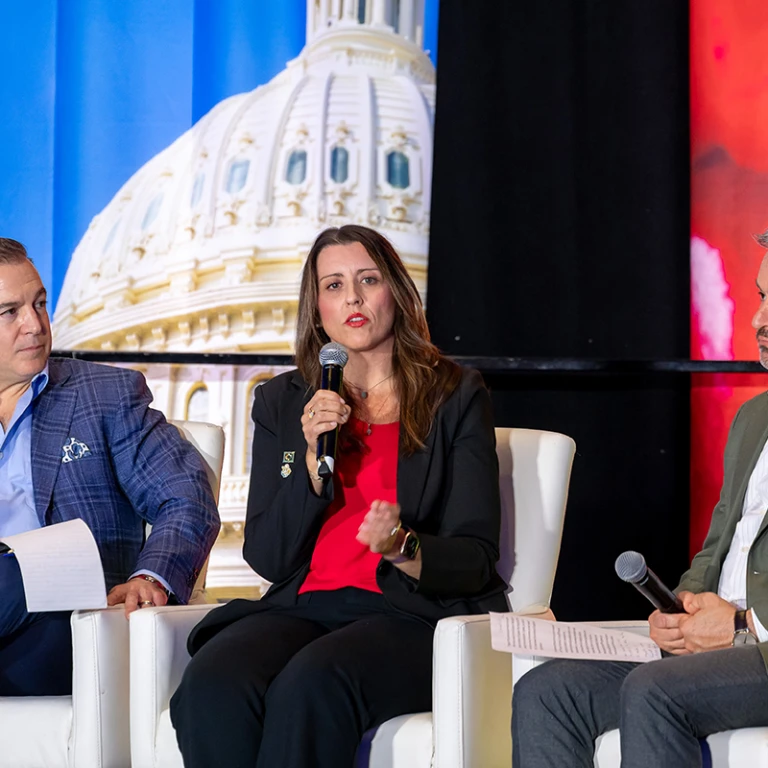
VANCOUVER — Arguing for the need to shift the consumer conversation from “No GMO” to “Know GMO,” author and agriculture advocate Rob Saik said the ability for agriculture to feed the world may be at stake.
Speaking during the Canadian Produce Market Association’s conference and expo on April 25, Saik titled his presentation “Will agriculture be allowed to feed 9 billion people?” He grew up on a farm in Alberta and became active speaking out on the issue a few years ago.
Many consumers have a romanticized view of agriculture that doesn’t make room for advances in agriculture technology, he said.
“I believe the non-science movement is the greatest threat to global food security today,” he said. “We have to begin shouting in the darkness.”
The question is not whether agriculture can feed 9 billion people, but whether agriculture will be allowed to, he said.
For example, genetically engineered golden rice has high levels of Vitamin A that would help reduce childhood blindness in developing countries, he said. If widely used, he said golden rice could prevent hundreds of thousands of children from becoming blinded from vitamin deficiency every year. Greenpeace has opposed Golden Rice and fear-based public policy has prevented its spread, which Saik calls a moral tragedy.
“Fanaticism is causing global suffering,” he said.
The industry, he said, needs to fight back to retain control of the conversation. Arguing that all fruits and vegetables have been genetically modified by conventional breeding over the decades, Saik said people should avoid “GMO” and start using the term “genetically engineered” food.
“We will need all the tools in agriculture’s toolbox, including genetic engineering, to maintain global food security with a population of 9, 10 or 11 billion people,” he said.
Saik also was critical of marketers who use certified Non-GMO labels issued by the Non-GMO Project.
“This is a fear-based marketing campaign,” he said. “If the best your marketing people can do as a strategy is to say, ‘Hey, let’s slap a non-GMO project (label) on your produce when there is no genetic engineered alternative — if that’s the best they can do — fire them,” he said.
Saik directed the audience to his Know GMO website.