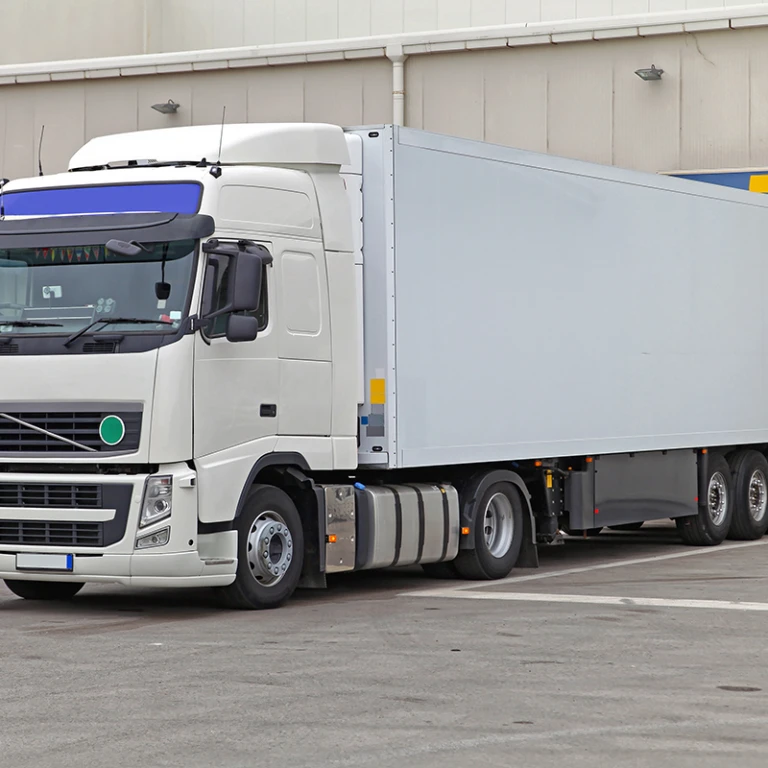
A recent move by Texas Gov. Greg Abbott resulted in frustrated truckers forming a blockade at the Pharr International Bridge in protest.
The blockade, which is still ongoing, was formed after Abbott enacted the first in a series of aggressive actions planned to help secure the Texas-Mexico border following President Biden’s announcement earlier this month that all expulsions under Title 42 would end, effective in late May.
Title 42 allows for the expulsion of undocumented asylum-seekers along the Mexico border. It was enacted by former President Trump during the height of the COVID-19 pandemic.
One main point of contention for the truckers is the new requirement that every commercial vehicle crossing the border from Mexico into Texas be subject to an extra inspection. The action imposed by Abbott led to long lines and wait times, with some truckers reporting waiting up to 40 hours, according to Dante Galeazzi, president of the Texas International Produce Association.
Abbott noted in a press conference that the U.S. Department of Homeland Security projects over half a million illegal border crossings per month as a result of the Biden administration’s decision.
“The Biden administration’s open-border policies have paved the way for dangerous cartels and deadly drugs to pour into the U.S., and this crisis will only be made worse by ending Title 42 expulsions,” Abbott said in the release. “With the end of Title 42 looming next month, Texas will immediately begin taking unprecedented action to secure our border.”
Reaction from the produce industry has been swift, with officials voicing strong concern for the impact the delays at the border are already having on the supply chain of produce coming in from Mexico.
“Over $9 billion dollars’ worth of produce is traded through Texas. The added inspection has severely impacted the trade through your state,” Lance Jungmeyer, president of the Fresh Produce Association of the Americas, said in a letter to Abbott.
Employees, the economy and businesses are all feeling the heat, too, said Galeazzi, citing a study from Texas A&M that concluded fresh produce from Mexico employs nearly 8,000 Texans and is responsible for $850 million in economic impact to the state.
“Unfortunately, delays from these added inspections mean that up to 80% of perishable produce has been unable to cross daily,” Jungmeyer said in a letter. “This is causing losses of millions of dollars a day for employers and employees who have been idled. Transportation shortages are increasing as available trucks are stuck waiting in line to cross the border.”
Galeazzi pleaded with the governor to do something to remedy the situation.
“We implore you to modify the deployment of this enforcement action in light of the dramatic impacts it is having on the movement of trade,” he said.
While not downplaying the need for safety at the border, produce officials are questioning whether the additional inspection is necessary at all.
“We agree that safety and security are paramount, which is why the inspections of commercial trucks by U.S. Customs and Border Protection are considered to be the best in the world,” Jungmeyer said. “Texas has some of the most secure commercial ports of entry anywhere along the U.S. border.”
While the industry hopes for relief sooner rather than later, Jungmeyer said, no matter what, recovery will take time.
“If the inspections stopped today, it would take over a week for the supply chain to return to normal,” Jungmeyer said. “Unfortunately, the loss of inventory and sales will never be recovered, and these losses are a direct economic loss to Texas companies.”