The United Fresh Produce Association kicked off its education series Reimagine Conversations this week, and one of those conversations focused on the opportunity of experiential marketing.
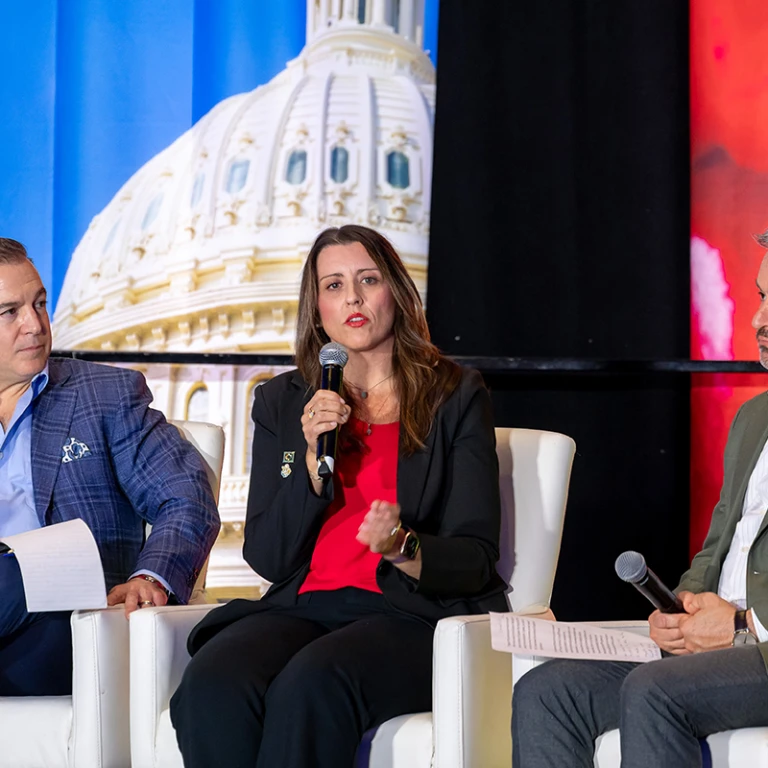
FLM Harvest vice president Cristie Mather moderated the discussion with Harbor Creative Group president Lisa Hansen and Bowery Farming’s marketing manager Laura Rubin.
Here are a few of the key points they shared during the session, which was the first in a five-part series.
1. Experiential marketing is for all marketers.
Experiential marketing doesn’t have to involve a hot air balloon, pop-up store, (airbrush) tattoo parlor, giant blender or the world’s largest avocado display – though all those examples were referenced.
Sampling counts as experiential marketing. Your trade show booth is an example on the B2B side. Using a QR code on packaging or on recipe signage at the point of sale can also engage the consumer are also opportunities for consumers to interact one-on-one with your brand.
The goal with this kind of marketing is not to produce an immediate result but rather to create a memorable touchpoint for your brand and a springboard for the word-of-mouth marketing.
2. Disruption is the goal.
Developing something that produces a double-take and a curious “Hey, what is that?” response is powerful marketing. Again, while it can be big and dramatic, it doesn’t have to be.
Another example given during the United Fresh session was a Christmas-themed tablescape in a store. It contributed to a broader festive atmosphere and left a unique impression related to the brand.
A retailer in my area took a similar approach for Valentine’s Day this year, bringing in a “table for two” complete with tablecloth, place settings and flowers for date-night-at-home inspiration.
3. Collaboration is key.
Partnering with other brands can be a way to increase the reach of the event and decrease your cost of execution. Joining forces to create a complete meal or occasion solution can also make the experience more appealing and relevant for the consumers you want to target.
Collaborating with influencers to amplify your efforts is another opportunity.
Last but not least, execution is everything, so having the right people on board to manage the logistics of the event is also critical.
4. Flexibility is a virtue.
Sometimes consumers won’t interact with your event or experience the way you expected. The key is to observe and adapt to how they are naturally engaging.
Back to logistics and execution for a minute – of course contingency plans are essential. If you’re planning to have an influencer perform a demo at a store and her flight is canceled, for example, maybe you can use screens in the store to recreate the experience virtually.
Speaking of virtual events … switching in-person to online is something most every marketer had to do in the last 18 months or so, but the experience also serves as a reminder that virtual done right is an additional opportunity. While in-person may be ideal, a Facebook Live video in which a brand representative takes questions from people watching online can also leave a positive, lasting impression.
5. Community is key.
Which consumer groups do you most want to reach? What are their interests? Where do they gather? Answering these questions will give you ideas on events and groups to come alongside.