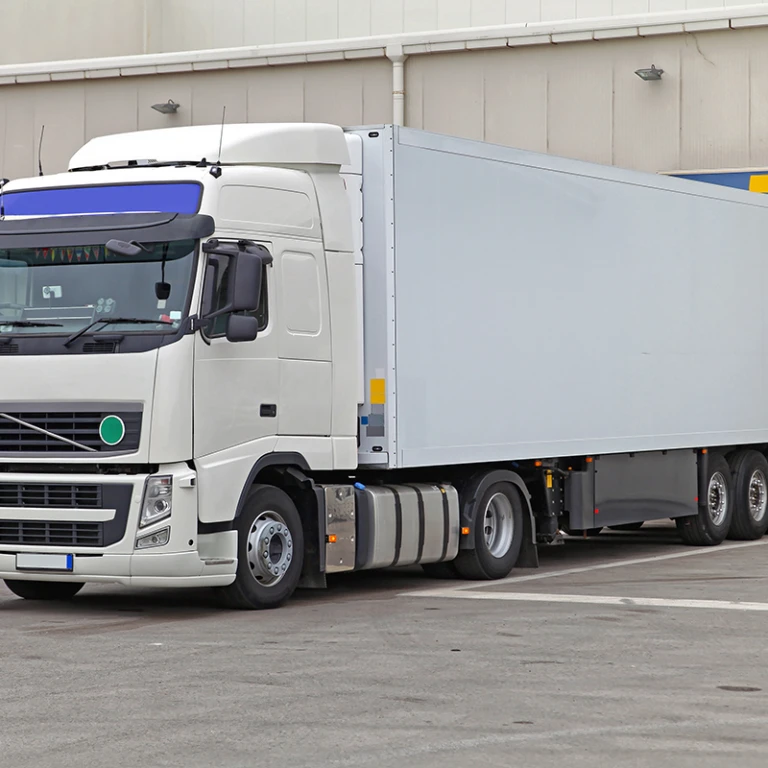
The Farmlink Project (FLP) connects farms with excess fresh produce to food banks serving communities in need. The project is a certified 501(c)(3) nonprofit organization dedicated to alleviating food insecurity and reducing food waste. The organization learns about this surplus from a food donor, rapidly matches it to local nonprofit food distribution centers and coordinates the logistics to deliver the produce.
The Farmlink Project locates and collects food that would otherwise go to waste because it either doesn’t meet industry standards for the typical market or it is surplus produce that is running low on shelf life. With a turnaround time of 1 - 2 business days, FLP has the capacity to rescue high quantities of produce, saving farmers from the unnecessary dump fees or the hassles associated with coordinating a donation.
Founded and run by college students in early 2020, the COVID-19 pandemic highlighted pain points in America’s food supply chain. With restaurant closures and job losses across the nation, Americans were forced to rethink where they get their food. Meanwhile, the disrupted supply chain cost farmers by forcing them to dump shelf-ready produce due to major shifts in demand.
In response, FLP has rescued over 60 million pounds of produce in under two years, delivering to 46 states across the U.S. and Mexico. As we move past the pandemic, there continues to be a significant gap in the way that food is grown and distributed. The organization is dedicated to alleviating this issue and is on track to rescue 100 million pounds of produce by the end of the year.
Read more:
https://www.thepacker.com/opinion/solutions-food-waste-explored