Produce distributors in the Boston area tend to offer a similar product line year-round, with a few tweaks during the summer months.
Community-Suffolk Inc. at the New England Produce Center in Chelsea, Mass., offers products like celery, broccoli, carrots, cabbage, onions, potatoes and a full line of lettuces, said Steven Piazza, president.
Competition from Canada and local sources, like backyard gardens and farmers markets, means business can be a bit lighter during the summer than other times of the year. Nonetheless, spring and early summer this year “have been very, very busy and very productive,” he said. “We have no complaints at all.”
Warm weather this season caused some products to come on earlier than usual, and Piazza said he was hopeful that local competition would end early and the company would get back up to full speed soon. That could happen by mid-September and back-to-school time, when cooking starts to heat up.
“We really see the effect of that [time period] in our volume, especially when it cools down a little bit, and people are cooking roasts, soups, stews and things like that,” he said.
Peter Condakes Co. Inc. at the New England Produce Center also handles a wide product line with emphasis on vegetables, said Peter John Condakes, president.
The company will have plenty of local squash, tomatoes and bell peppers into September with an ever-lengthening summer season, he said.
“Local has become a big buzzword in the last 10 to 20 years,” Condakes said. “But we’ve been handling local product for decades.”
This was not a good year for vegetables, however.
“This year has been the most challenging I can ever remember,” Condakes said.
Conditions were cold and wet in Florida early in the year, and challenges remain in other areas this summer.
“Right now, we’ve got extreme heat and, in a lot of places, [it’s] not necessarily inches of rain, but the amount of time that it’s been raining,” he said in late July. “It’s keeping everything wet, therefore a lot of picks are way down.”
Alabama, Tennessee, Virginia and parts of New England were some of the hard-hit areas, Condakes said.
Prices on tomatoes, a company specialty, have been “jaw dropping” because of tight supplies, he said. Conditions can change on a dime, though, if weather improves and a shortage suddenly becomes a surplus.
“It’s a little bit of an art deciding how much to have on hand,” he said.
S. Strock & Co. at the New England Produce Center offers a full line of conventional and organic fruits and vegetables for major supermarket chains, independent retailers, wholesalers, restaurants and foodservice distributors all over New England, said Michael Strock, director of business development.
But Strock said he expects consumer behavior to change as result of fallout from inflation.
“Providing uncompromised quality and adding value to our customers’ operations will remain our focus during these recessionary times,” he said.
The Boston service area is a bit different from other regions, distributors say.
“Most of the Boston area has a high expectation of the quality of the fruits and vegetables that are in the stores,” Piazza said. “We have a pretty educated pallet in the Boston area.”
The foodservice sector also has high standards.
“I truly believe the produce and the quality of preparations in the restaurants have been a big factor in their survival and growth,” he said.
New Englanders are very health-conscious, Strock added, which bodes well for fruit and vegetable consumption.
“Perhaps people are more motivated to keep themselves in shape to shovel all the heavy snow we typically get, or conceivably it’s the highly educated culture bolstered by the many great medical schools and universities in the region,” he said.
But Condakes said there can be disadvantages to operating out of the Boston area.
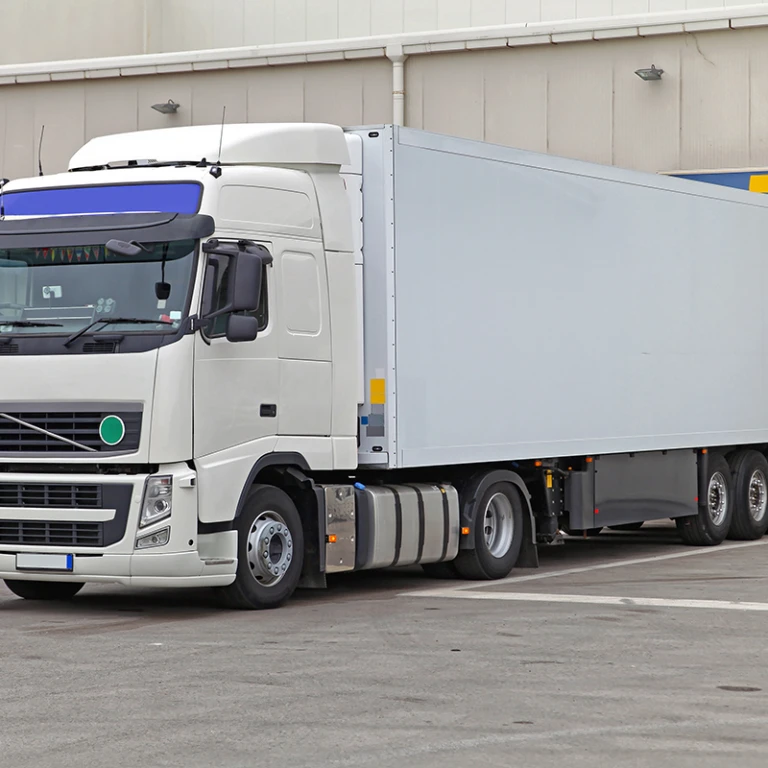
“In a lot of ways, we’re the end of the line,” he said, and transportation rates can be on the high side.
“We bear probably the highest freight rates in the country,” he said.
Delivering a load of fresh produce to Boston from Florida, California or Mexico can be pricey.
And there aren’t many backhauls leaving New England in refrigerated trucks.
“What’s grown here during the summer season generally stays in New England,” he said.