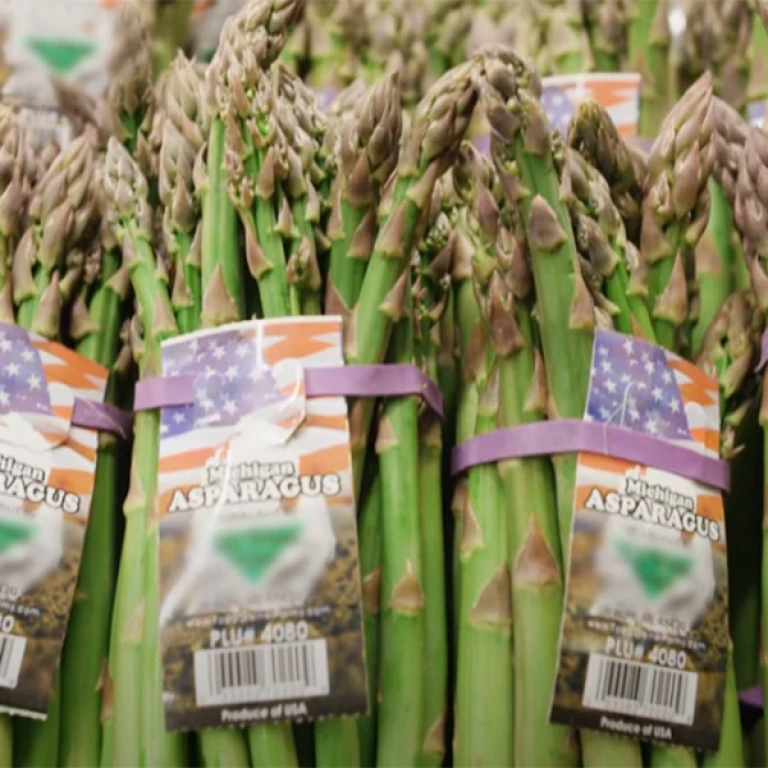
Fresh Peruvian asparagus arrives in the U.S. year-round, but importers are preparing for the seasonal consumption boosts for the holiday season.
The Peruvian Asparagus Importers Association is expecting steady volumes through the beginning of 2021, according to executive director Priscilla Lleras-Bush.
“Although mid-year 2020 volumes experienced a couple of dips from 2019,” Lleras-Bush said in an e-mail, “ …Peru is on a steady incline for the remainder of the year and ready meet the necessary demand of U.S. households that are looking to buy the best nutritional vegetable for their families.”
Walter Yager, Alpine Fresh CEO, is co-chairman of the Peruvian Asparagus Importers Association.
“This year has proven the importance of nutritious products like asparagus and dealing with reliable supply chains,” Yager said in a news release. “We remain focused on delivering high quality asparagus to U.S. household tables – having Peruvian asparagus is crucial to that goal.”
Jay Rodriguez, CEO of Crystal Valley Foods and association co-chairman, said 2020 has been a test of resilience for the industry.
“As an industry, we’ve been able to thrive even under the most difficult of circumstances, Rodriguez said in the release. “U.S. buyers and consumers can be assured of the freshest asparagus from Peru.”
Related stories:
2020 Fresh Trends Data: Asparagus
Peru shows long-term growth as supplier of asparagus to U.S. market