Tampa, Fla.-based IFCO Systems will be the exclusive reusable plastic container provider for Walmart’s fresh fruits and vegetables distributed in the U.S.
IFCO and Walmart made a seven-year business agreement to expand the retailer’s use of IFCO containers, according to a news release.
“IFCO and Walmart share the goal of an efficient, sustainable fresh food supply chain that helps nourish millions of Americans and billions of consumers worldwide,” Dan Martin, outgoing North America IFCO president, said in the release.
The two companies first started collaborating in 1998, introducing RPCs in the U.S.
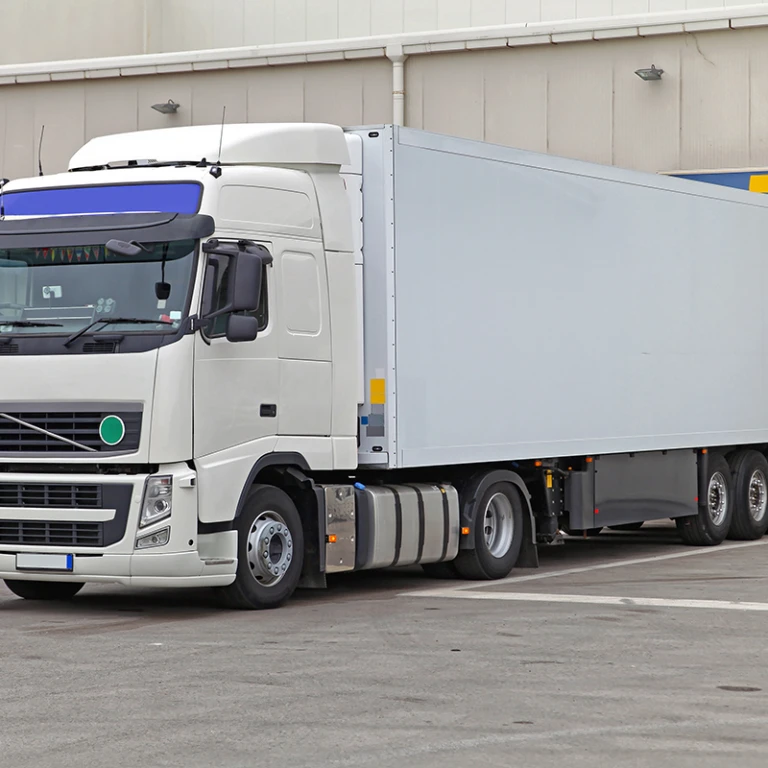
Walmart suppliers will deliver produce to Walmart locations using these IFCO containers. After each use, the containers will be cleaned, washed, sanitized and wrapped before being reused. IFCO’s containers are used as many as 100 times before being reground into new containers.
The program will also help drive improvements across the fresh food supply chain in general, according to the release.
For example, efficiencies will be created through standardization and modularity, as well as significant increases in product shelf life and food waste reduction.
IFCO’s containers will contribute to Walmart’s Project Gigaton goal to avoid 1 gigaton of greenhouse gas emissions across its supply chain by 2030.
When fully implemented, the use of IFCO containers is expected to help avoid, on an annual basis, an estimated:
- 70,000 metric tons carbon dioxide emissions, equivalent to removing more than 16,000 cars from the road;
- 40 million kilograms of solid waste, equivalent to the amount of waste created by about 19 million people;
- 1 billion kilowatt hours of energy use, equivalent to powering 2.5 million light bulbs;
- 1 million cubic meters of water consumption, equivalent to the amount of water required for more than 34 million individual showers; and
- 7 million kilograms of product damage, equivalent to the amount of food required for more than 11 million meals each year.
Calculations are based on the LCA study performed by Franklin Associates, a division of Eastern Research Group, and The Save Food Study by the Fraunhofer Institute for Material Flow and Logistics for the Stiftung Initiative.
Also, IFCO has added features that should enable innovations in product traceability.