The University of Arizona (UA), Rogers College of Law recently published a TradeLab report about non-tariff barriers to trade.
Titled Inspections and Non-Tariff Barriers on “Perishable Imports” at the Mexico-US Border: Legal Limits and Best Practices, the report focuses on the impact that these non-tariff restrictions on commodities have on imported fresh produce. The report was created by law students Derek Brewer, Brien Brockbank, Leon Kuntz, Tusa Rutherford, and Ekaterina Shkarbuta, as well as teaching fellow Lauren Robbins and Professor Sergio Puig.
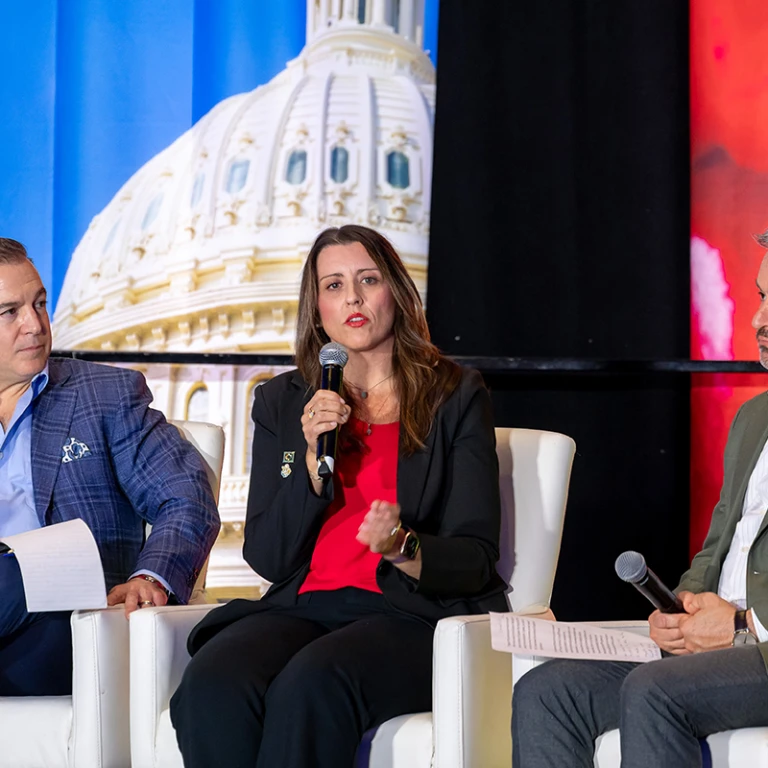
During the Fresh Produce Association of the Americas (FPAA,) Spring Policy Summit 2021, a session was dedicated to the breakdown of the report and potential paths forward. The full report is available for download online.
The new requirement for quality inspections under the Tomato Suspension Agreement was a focal point for the report. These new quality inspections, that go above and beyond national treatment of fresh tomatoes, are one way the flow of fresh produce is delayed or restricted.
The report also covers the latest on trade deals between the U.S. and Mexico and the differences between NAFTA and USMCA. A breakdown of USMCA Sanitary and Phytosanitary (SPS) rules and the chapter on Technical Barriers for the USMCA are part of the analysis. The report goes on to look at phytosanitary barriers that are being used in the case of tomatoes and Tomato Brown Rugose Fruit Virus inspection requirements without the accompanying standard SPS risk assessment.
“Technical barriers to trade emerged as a cudgel in the previous Administration,” said FPAA President Lance Jungmeyer. “It’s time for to revisit the impact of these. Technical barriers to trade cause our trading partners to respond in kind, and this harms all of U.S. agriculture.”
The report features a remedies section that provides potential mechanisms for redress for each of the areas reviewed. This portion of the TradeLab report includes dispute resolution mechanisms for the USMCA. As stated in the report “The USMCA contains detailed enforcement and conflict resolution mechanisms to be employed by member parties. Chapter 9 permits both importing and exporting parties to duly request information concerning trade restrictions, import controls, as well as pest and disease conditions in implicated zones.
The USMCA furthermore calls for the establishment of technical working groups, meeting on a permanent or ad-hoc basis, to be called upon in the event of trade disputes surrounding SPS measures implemented by either party.” Other items discussed in this section include potential remedies for the SPS and TBT agreements.